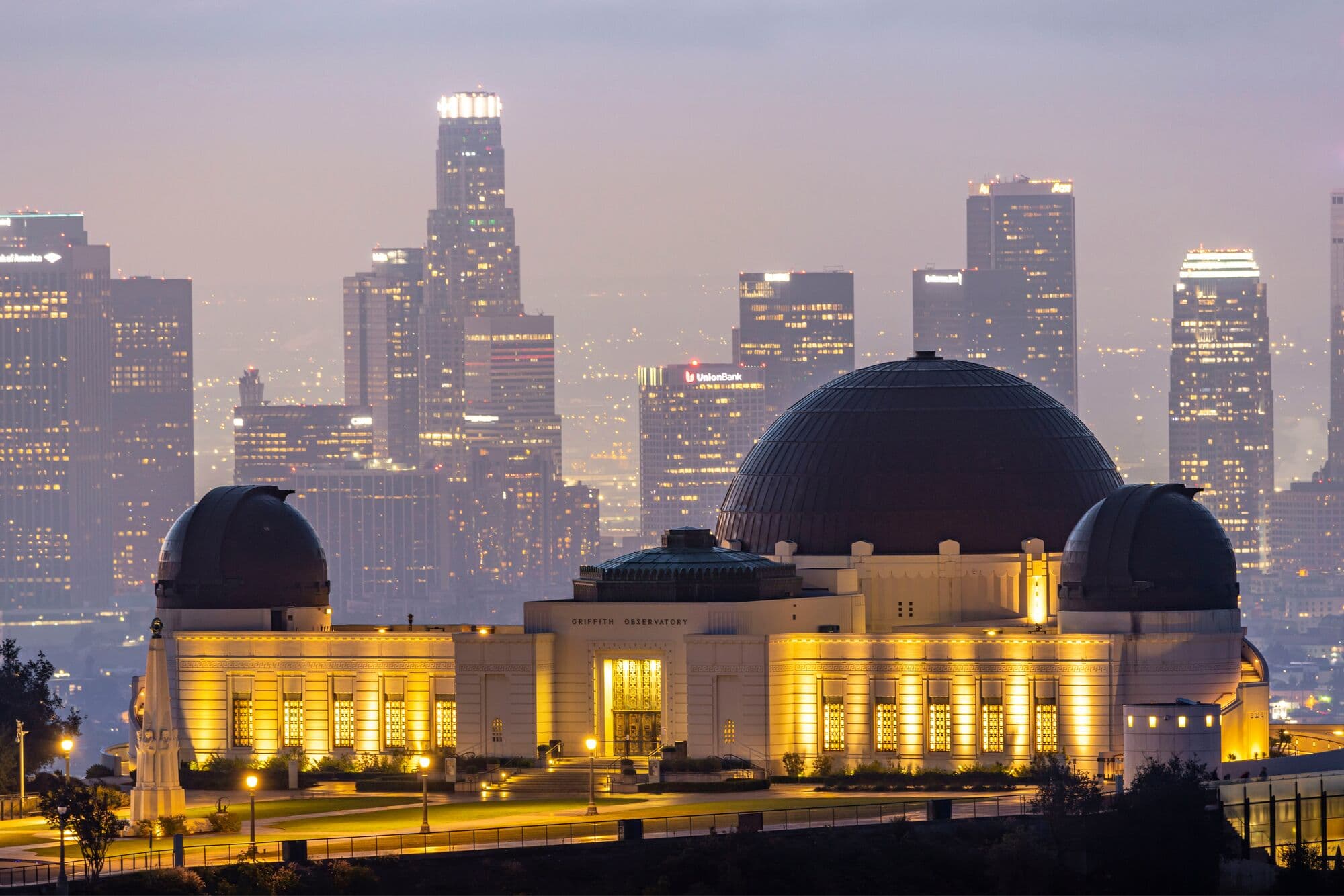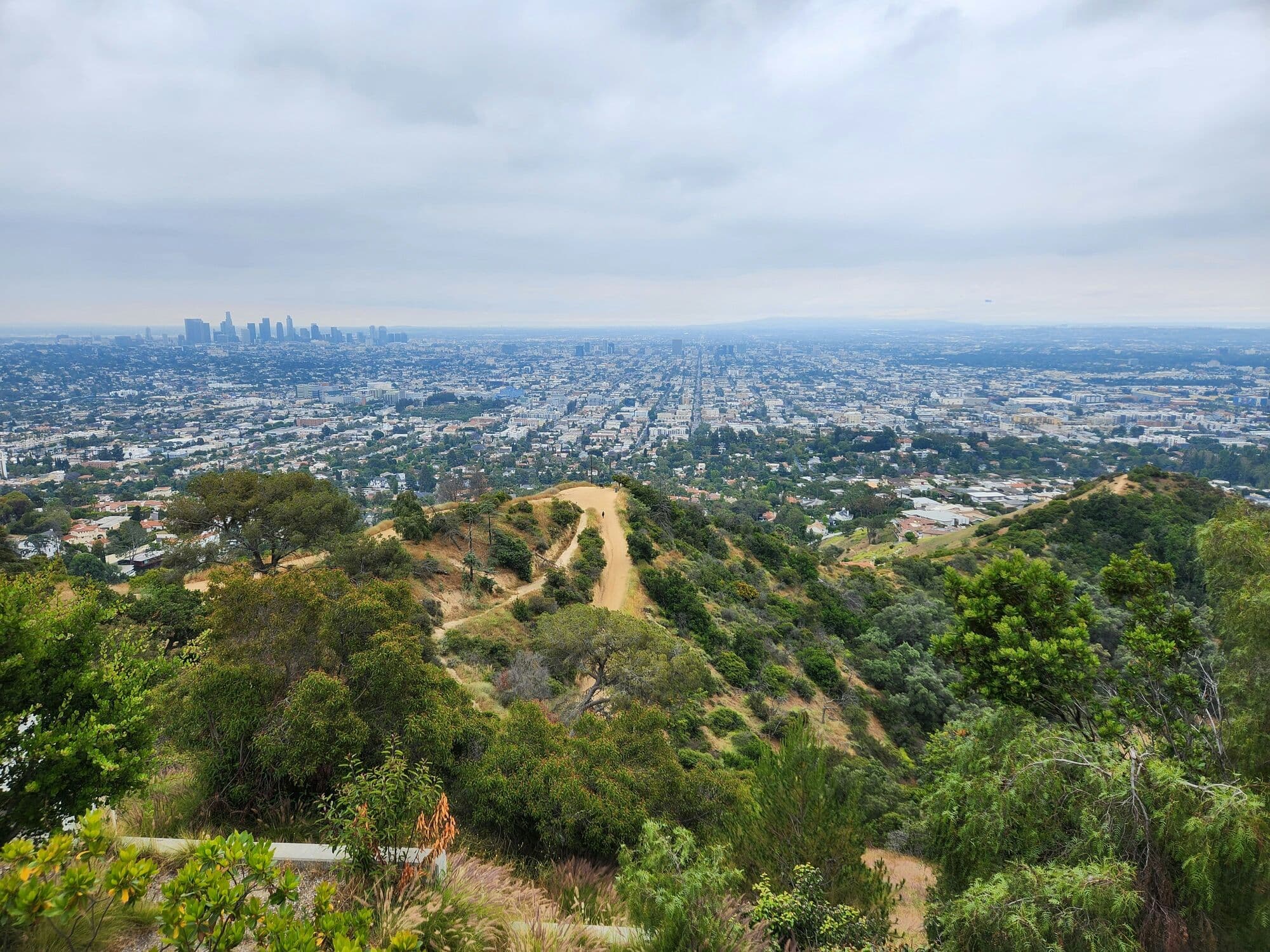
You found the event. A hike in Griffith Park, a gallery opening at Junior High, a Thursday thing at The Victorian. You even put it in your calendar. And then Thursday came and you sat on your couch, because going alone felt weird and you had no one to text. That's not a personality problem. That's an LA problem, and it has an actual fix.
why meeting people in la is genuinely harder than it sounds
LA makes friendship structurally harder than most cities, because the things that normally seed it, walkable proximity, a shared office, a dense downtown, mostly don't exist here. Nearly a third of LA City households are single-person households, per census data cited by the LA Times. You are not imagining the isolation. It's baked into the map.
tired of doing things alone in LA?
Find people to go with on WashedUp. Small group plans, no swiping, no endless chatting. Just plans. That actually happen.
Start with the geography. In a city like New York or Chicago, you bump into the same people because you share a subway platform or a block. In LA, you share a freeway. Someone "nearby" in Highland Park might be a forty-minute drive from someone "nearby" in Santa Monica, and that drive is the whole reason a friendship never gets past the acquaintance stage. As one transplant put it, in Los Angeles the limiting factor isn't interest, it's the 405. Friendships form along the routes people already drive: their neighborhood, their gym, their work. The obstacle is geography, not people.
Then there's the work of it. LA has a huge freelance and remote-work population, industry people between projects, writers, editors, people building something from a laptop at a coffee shop in Los Feliz. That's a real lifestyle upgrade in a lot of ways. But it strips out the built-in social structure most adults rely on without noticing: the office, the team lunch, the person at the next desk who becomes a real friend over eighteen months of proximity. When you work from home in a city built for cars, you can go four days without an unplanned conversation.
Add transience, people moving here for a role, a relationship, a fresh start, and moving again when it doesn't pan out, and you get a city where the population turns over faster than most, and where investing in a friendship can feel like a bet you're not sure will pay off. None of this means people here are cold. It means the infrastructure for casual connection just isn't automatic, the way it is in denser, older cities. You have to build it on purpose.
the thing everyone gets wrong: events aren't the problem, coordination is
Most advice about making friends in LA stops at "go to more things." That's not wrong, but it skips the actual bottleneck. The real gap isn't finding an event, it's the space between finding an event and having someone to go with. That gap is where most plans quietly die.
Think about how this usually goes. You hear about a hiking meetup near Griffith Park, or a comedy night at Junior High, the nonprofit art gallery and gathering space known for artist showcases and its comedy and pottery programming. You're interested. You even open the link. And then you close the tab, because showing up alone to something feels like a bigger ask than the thing itself. Large meetups can feel impersonal, like you're one face in a crowd of forty strangers who all seem to already know each other. One-on-one friend-finding apps, meanwhile, put all the pressure on a single stranger and a single conversation, which is its own kind of exhausting.
Nobody's really solving for the space in between, small groups of people who also want to go, who are also a little unsure, who would rather show up with three or four people than zero or forty. That's not a fringe preference. It's the actual sweet spot for adult friendship: enough people that no single interaction carries all the weight, few enough that you're not just background noise.
This is exactly the layer that's usually invisible. You can find the event. What you can't usually find is the people who are also going and want to go together, before you even show up.
what actually works: small groups, repetition, and showing up to the same places
The friendships that stick in LA come from small groups and repeat exposure, not from one great night out. People who moved here as adults consistently say the same thing: fitness groups and recurring activities work best, because you see the same faces enough times for "acquaintance" to tip into "friend."
This tracks with basic psychology. It takes a lot of low-stakes contact for a stranger to become a friend, and one dinner party won't do it. What does the work is repetition: the same weekend hike, the same Tuesday night trivia, the same class at the same studio. Somewhere around the fifth or sixth time you see someone, the relationship starts to feel real instead of coincidental.
Small groups matter just as much as repetition. A group of three to six people doing something together, a hike, a dinner, a museum trip, hits a size where everyone actually gets to talk, but no one person has to carry the whole conversation alone. Compare that to a sixty-person mixer, where you might exchange four sentences with a dozen different strangers and remember none of them, or a one-on-one meetup, where an awkward silence has nowhere to hide. Three to six people, doing one specific thing, more than once. That's the formula, and almost none of the general advice about "networking" or "meetup groups" says it plainly.
where in la it's easiest to meet people (and why)
Some LA neighborhoods make this easier simply because of density, walkability, or a built-in culture of regulars. Silver Lake, Los Feliz, Culver City, Koreatown, Venice, and Highland Park each solve a different piece of the geography problem, and knowing which one matches your life makes a real difference.
Silver Lake has the reservoir, a walking loop with a recurring dog-park crowd, the kind of low-pressure repeat exposure that turns into real familiarity over a few months. Los Feliz has neighborhood bars and coffee shops with genuine regular culture, the kind of place where a barista starts remembering your order and, eventually, so does the guy who's always there at 9am. Koreatown has something most of LA lacks outright: walkable density. You can actually run into the same people on foot, which sounds small until you've lived somewhere you can't.
Culver City works differently, as a creative industry hub with real coworking density, which matters enormously for freelancers and remote workers who've lost the built-in office proximity that used to seed friendships automatically. If you work alone from home, deliberately working from the same coworking spot in Culver City a few days a week does some of the same social work an office used to do for free.
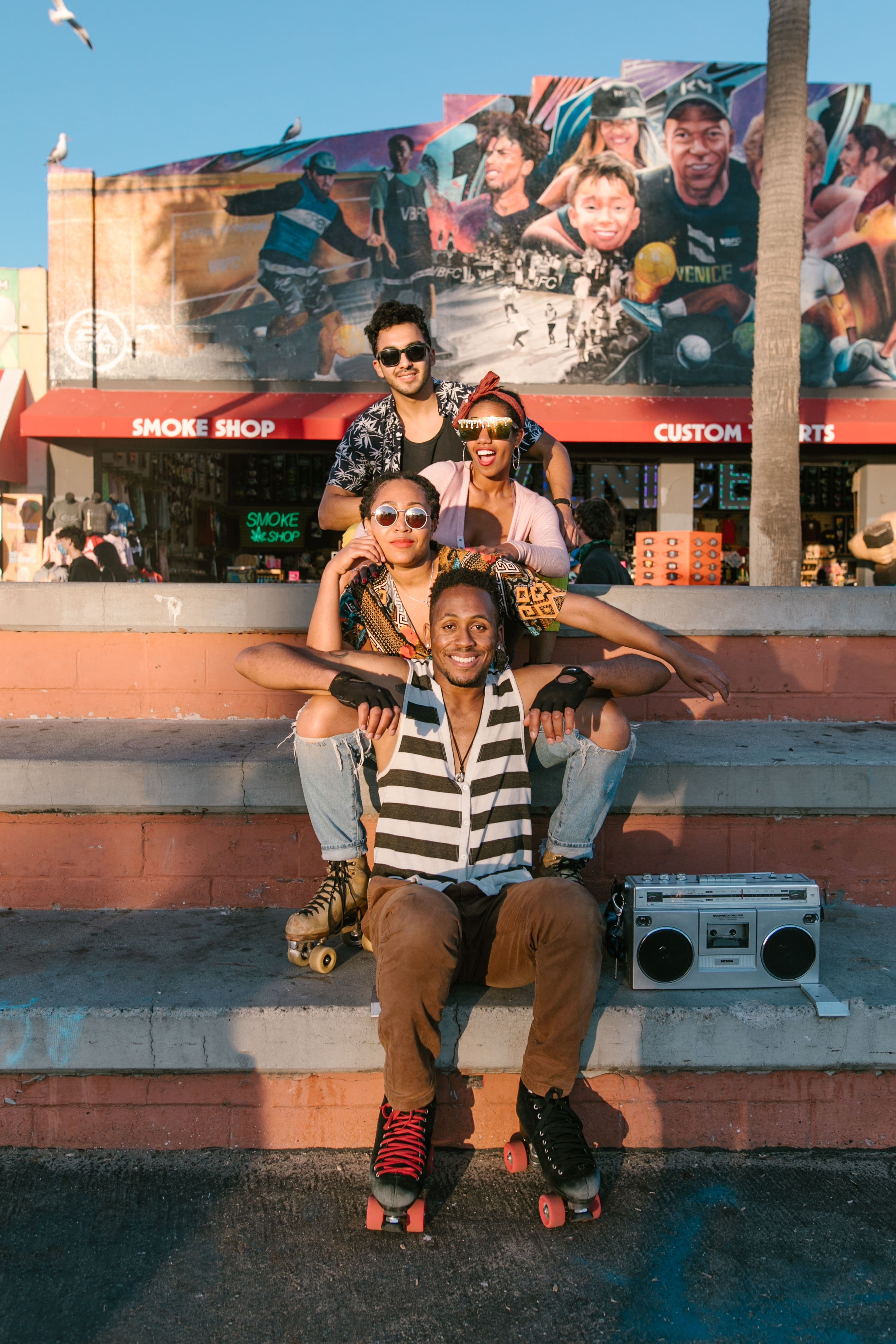
Venice Beach has outdoor fitness groups and a genuinely consistent weekend crowd, good for people who want their social life built around movement rather than conversation. Griffith Park has organized hiking meetups, including groups like LA Girls Who Walk, which turns "I should go on more hikes" into an actual standing plan with actual people. Highland Park has an emerging, younger, transplant-heavy scene, good if you're newer to the city and want to meet people who are figuring it out at the same time you are. And Echo Park has its own version of paid-in structure: Groundfloor, a social club there, reportedly charges around $200 a month for membership, which tells you something honest about the market rate people are willing to pay for guaranteed community.
None of these neighborhoods fix the coordination problem by themselves. They just make the geography a little more forgiving. You still need someone to go with.
the app question: what works, what doesn't, and what washedup is actually trying to do
Bumble BFF is the most commonly recommended friend-making app for LA, per LAist and other local sources, and it's fine at what it's built for: one-on-one introductions. But it's built for a different problem than the one most people actually have. It assumes you want a pen pal, not a plan.
Most general advice defaults to two options: a big public meetup, or a one-on-one app. Neither one solves for the actual moment most people get stuck in, which is having an activity in mind and no group to do it with. That's the specific gap WashedUp was built to close. Not "find a stranger to message." Not "find a huge event to feel anonymous inside of." Find the three, four, five other people who also want to do this specific thing, on this specific night, in this specific part of town.
This matters more for some people than others. LGBTQ adults in LA County report loneliness at more than double the rate of non-LGBTQ adults, 48% versus 23%, per LA County public health data. For anyone whose existing social options already feel thin, the stakes on "should I go alone" are higher, not lower. Having a small group already lined up changes the math.
On WashedUp right now, there are three live plans matching this exact topic, real people, real activities, real nights out that haven't happened yet. Sixty-seven plans like these have already happened, which means this isn't theoretical. Two more are happening in the next seven days. The most common time slot, interestingly, is late nights after 10pm, which tracks with how LA actually socializes: later, looser, less calendar-blocked than you'd expect.
Want to go to that thing you bookmarked three weeks ago but never went to alone? find people to go with on WashedUp.
how to use washedup to go from 'i want to do something' to 'i have people to do it with'
Using WashedUp is simple: you either join a small plan someone else already started, or you start one yourself, and either way you end up with three to six real people committed to the same specific thing, in the same neighborhood, on the same night. The app exists specifically to close the gap between wanting to do something and having people to do it with.
Look at how this actually plays out. A representative plan on the app: "Project Hail Mary at Rooftop Cinema Club," a Friday night, four people, and it filled. That's the whole model in miniature. Someone had an idea, put it out there, and three other people who also wanted a low-stakes Friday plan showed up for it. Nobody had to cold-message a stranger. Nobody had to walk into a forty-person mixer solo.
Right now, the top neighborhoods for plans like this are Hollywood, Santa Monica, and Glendale, with Saturdays and Sundays as the busiest days by a wide margin. That maps onto how people's weeks actually work: weekdays for work, weekends for the plans that require energy and a little bit of courage. Across all of WashedUp, 532 plans have already happened and 913 people have joined one, numbers that keep climbing because the format keeps working: small group, specific activity, low pressure, real follow-through.
Want to hit a rooftop movie night with a few people instead of scrolling through it alone? find people to go with. Want to try that Griffith Park hike you keep meaning to do, but actually go this time? find people to go with.
The honest version of "making friends in LA" isn't a personality fix or a mindset shift. It's solving a logistics problem: small group, recurring exposure, a real reason to show up more than once. That's what actually works, and it's what WashedUp was built around.
Start with one plan this week, something small, in your own neighborhood, with three or four other people already lined up to go. Don't wait for the perfect event. Pick the next thing happening near you on WashedUp and show up to that one.
frequently asked questions
why is it so hard to make friends in LA?
LA's sprawl means proximity doesn't happen by accident the way it does in denser cities, so friendships have to be built on purpose rather than stumbled into. Add a large freelance and remote-work population that's lost office-based social structure, plus a transient population that moves for jobs and relationships, and the usual friendship shortcuts just aren't there.
what is the best app for making friends in Los Angeles?
Bumble BFF is the most commonly recommended option, built around one-on-one introductions between strangers. WashedUp works differently: instead of pairing you with one person, it helps you find small groups of three to six people already planning to do a specific activity, so you show up to something real with people already committed to going.
how do transplants meet people in Los Angeles?
Transplants tend to have the most luck with recurring activities, like a weekly hike in Griffith Park or a regular coworking spot in Culver City, because repeated exposure to the same faces builds familiarity faster than one-off events. Neighborhoods with a younger, transplant-heavy scene, like Highland Park, tend to make this easier.
where do people hang out and socialize in LA?
It depends on the neighborhood. Silver Lake has the reservoir's walking loop and dog-park crowd, Los Feliz has bars and coffee shops with regular culture, Koreatown offers rare walkable density, Venice has outdoor fitness groups, and Echo Park has paid social clubs like Groundfloor for people wanting built-in structure.
how long does it take to make real friends in Los Angeles?
Most people need repeated, low-stakes contact, often five or six interactions with the same person or group, before a friendship feels real rather than coincidental. That's why recurring activities and small consistent groups work better than one big night out. Showing up to the same kind of plan more than once matters more than any single event.
Stay in the loop
Get stories, LA guides, and social tips delivered to your inbox every week. No spam, ever.