A one-time plan turns into a friendship through four specific moves: keeping the group small (two to four people), naming the next plan out loud before you leave, picking a routine you can repeat weekly or biweekly, and letting the conversation go past small talk at least once. None of this is complicated. Most people just skip step two.
That's the gap. You meet someone good at a hike, a trivia night, a friend's birthday thing in Echo Park. You have a real conversation. Everyone says "we should do this again." And then nobody does, because "we should do this again" was never actually a plan. It was a pleasant sentence that dissolved the second you got in your car.
what actually turns a one-time hangout into a friendship?
Repetition does. A friendship is built less by the quality of one hangout and more by how many times you occupy the same space with the same person, on purpose, without a huge gap in between. One good conversation gets you a nice memory. Four or five shorter, looser hangouts over six to eight weeks get you a friend.
This matches what people already sense and say out loud when they're frustrated about it. A common complaint in LA friendship threads is some version of "you really have to make an effort to organize social gatherings, and if you receive an invitation, it's usually best not to turn it down, especially when you're trying to establish a new friendship." That's the whole mechanism in one sentence: effort plus acceptance, repeated.
So how often should you actually reach out? Once every one to two weeks is the range that keeps a connection warm without it feeling like a project. Less than that and the relationship resets each time, you're basically meeting again as strangers. A consistent cadence, even a low-key one, is what separates an acquaintance you liked from a friend you have.
why small groups (two to four people) work faster than big ones
Two to four people get you a real friendship faster than a party of ten, because small groups force actual conversation instead of parallel socializing. In a group of ten, you can coast on the group's energy and barely speak to any one person. In a group of three, you can't hide, and that's the point.
Across WashedUp, the typical plan that fills lands at a group size of four, and 93% of filled plans run between three and eight people. That's not an accident of LA's social habits, it's close to the number researchers and commenters alike land on when they talk about where real bonding happens. A big group event is great for meeting someone. It's a bad tool for going deeper with them. Once you've met someone you like at a bigger thing, the move is to peel off: suggest something just the two of you, or the two of you plus one more.
This is also where most friendship advice online quietly fails people. It tells you to "put yourself out there" and leaves you at big mixers and large group events, which are excellent for first contact and nearly useless for the second or third conversation that actually builds trust. Small group size isn't a nice-to-have. It's the mechanism.
how to name the next plan before you leave
The single highest-use move in this entire process is saying the next plan out loud before you leave the first one, with a rough day attached, not a vague "let's hang soon." "We should do this again" evaporates. "Want to do this again next Thursday?" survives.
Almost nothing written about making friends as an adult covers this moment directly, which is strange, because it's the actual hinge. The conversion doesn't happen during the hangout. It happens in the last ninety seconds of it, when everyone is standing up, grabbing bags, and the window to make something concrete is closing. If you let that window close with a vague sentence, you've handed the follow-through to chance.
It doesn't have to be smooth. "This was fun, are you around again in a couple weeks" is a complete sentence and a complete invitation. The slight awkwardness of naming a plan out loud is nothing compared to the awkwardness of a cold follow-up text three weeks later to someone who's half-forgotten you. Naming it in the room, while the good feeling is still active, is what makes the follow-up easy instead of weird.
If you're not sure whether the other person wants this too, watch what they do with the opening, not what they say. Someone who's interested in being closer friends will suggest a specific day, ask a follow-up question about the plan, or bring up something unrelated they want to tell you later. Someone who isn't will go vague, "yeah for sure," and let it drop. That's not rejection, necessarily, it might just be a busy season. But it's information, and you don't need to chase it.
which la routines make repeat contact easy
The routines that work best are ones with a fixed time and place, so you're not negotiating logistics every single week, you're just showing up. Running clubs, recurring markets, weekly loops, and recurring events at a shop all do this. The lower the planning overhead, the more likely the plan survives past week two.
In Highland Park, the Tofu Scramble running club meets at local coffee shops on Friday mornings, rotating around the neighborhood, which gives you a repeatable Friday without anyone having to organize it fresh each time. North Figueroa Bookshop, also in Highland Park, hosts recurring book launches, knitting circles, book clubs, and writers groups, any of which function as a standing reason to see the same faces monthly or weekly.
In Silver Lake, the Silver Lake Reservoir loop is roughly two miles and draws walkers, runners, and dog owners consistently, per the LA Times, which makes it an easy, low-pressure thing to propose as a repeat. Sunset Triangle Plaza, also in Silver Lake, reportedly hosts the LAAS Star Party weekly on Thursday evenings with a larger monthly version, per the LA Times, which is a genuinely good standing plan because it has a built-in reason to return each week. And the Los Angeles Breakfast Club reportedly meets Wednesday mornings at Friendship Auditorium in Silver Lake and is open to newcomers, per the LA Times, which means you could invite someone new to something with its own built-in Wednesday rhythm instead of inventing an occasion from scratch.
The research on habit formation around friendship tends to agree on something similar: choose one consistent activity at the same time and place for six to eight weeks, whether that's a running club, a trivia night, or a class, and let the relationship build on top of the repetition instead of needing a new reason every time. Want to find three other people for a Thursday night thing without a group chat already existing? Find people to go with.
how to move from small talk to something real
The shift from small talk to something real happens when you ask a question that requires a specific answer instead of a generic one, something like "what's actually stressing you out right now" instead of "how's work." Specific questions get specific, honest answers. Generic questions get the same three sentences everyone gives everyone.
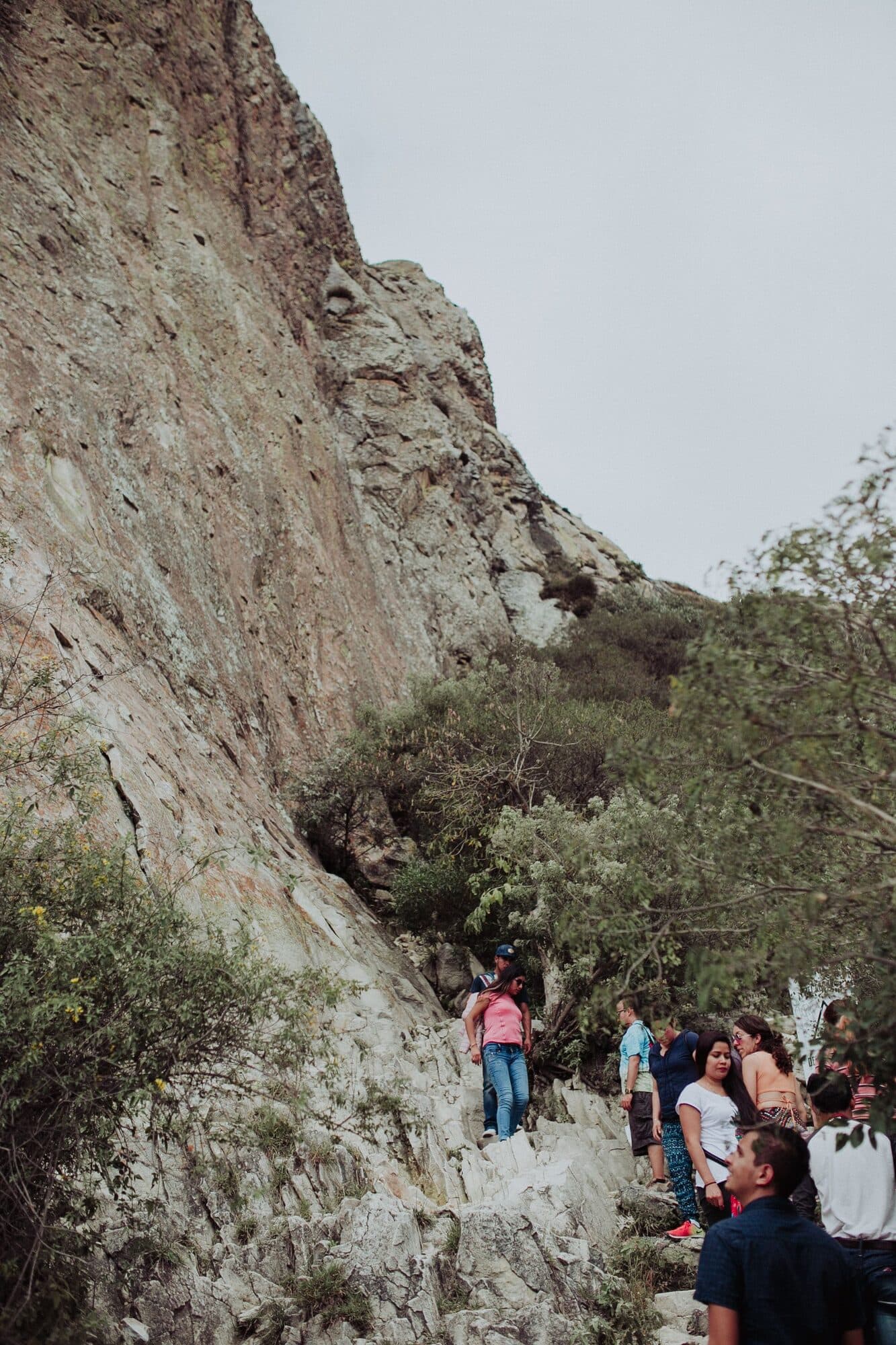
This matters more in low-stimulation settings than loud ones. A hike around Griffith Park, a slow lap of Echo Park Lake, or a side-by-side walk gives conversation room to breathe in a way a loud bar doesn't. You're not performing for a group, you're not competing with music, you're just walking next to someone, which somehow makes harder topics easier to bring up. This is also why running clubs and reservoir loops tend to outperform nightlife for actual bonding, even though nightlife is where a lot of first meetings happen.
Topics that move things forward: what someone's actually working toward right now, what they moved to LA chasing (or away from), what they wish they did more of, what's been hard lately. None of that requires vulnerability on command. It just requires asking something a stranger wouldn't bother asking.
what a standing plan looks like in practice
A standing plan is a one-time hangout that's been upgraded to a recurring slot on the calendar, same activity, same rough time, same person or small group, repeating without needing a fresh invitation each time. The difference between a one-time plan and a standing plan isn't the activity, it's whether anyone had to ask twice.
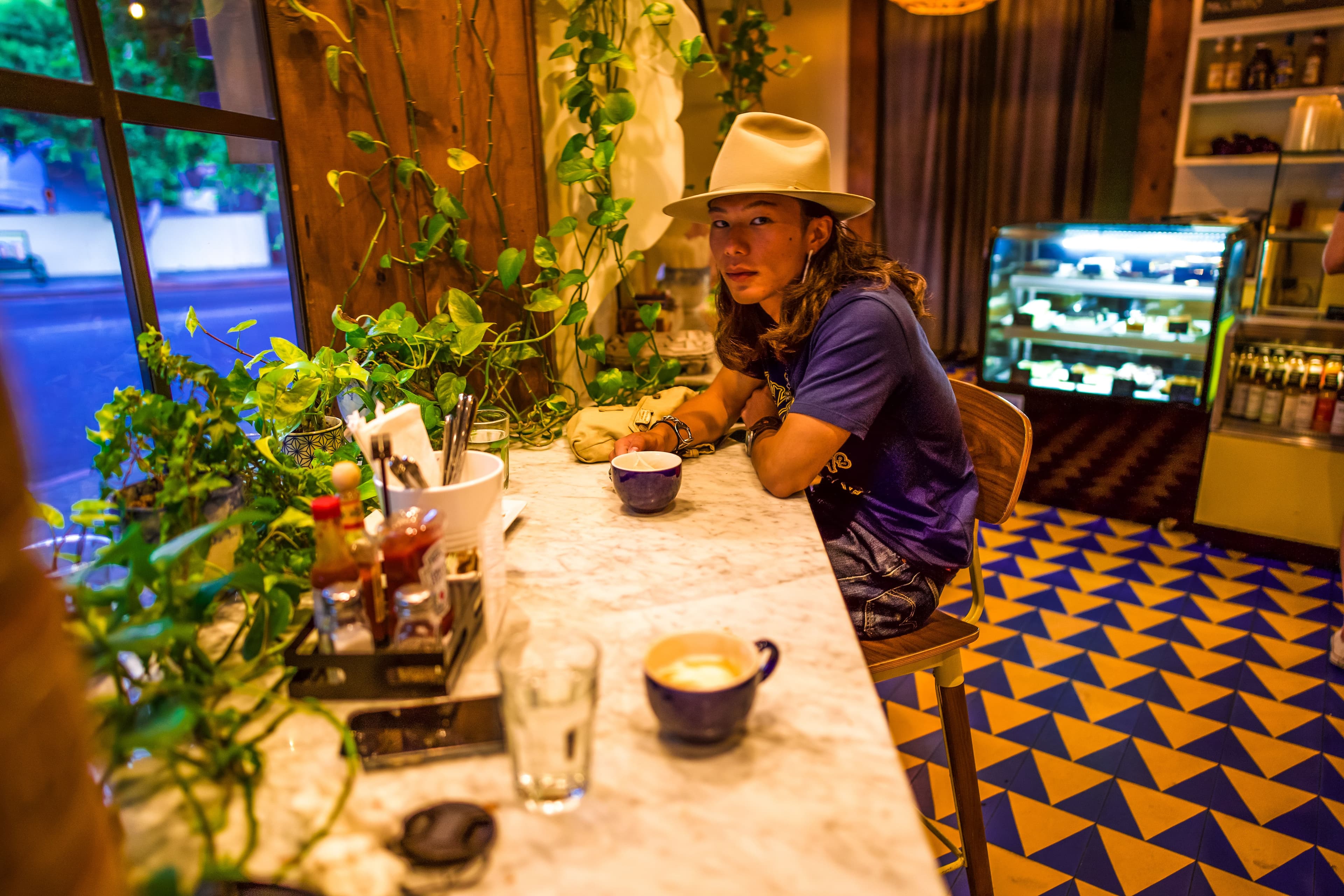
Here's a concrete version: a Saturday morning loop around Silver Lake Reservoir, followed by coffee somewhere nearby, every other Saturday, with the same two or three people. Or Friday mornings with the Tofu Scramble running club in Highland Park, followed by whichever coffee shop that week's route lands near. Or a biweekly Wednesday stop at the Los Angeles Breakfast Club in Silver Lake, which reportedly already runs on its own schedule, so you're just attaching yourself to a rhythm that exists. Or brunch at Lady Byrd Cafe in Echo Park, which reportedly has outdoor seating including small greenhouse-style enclosures, per the LA Times, on a recurring first-Sunday-of-the-month basis with the same small group.
The proposal for the shift from one-time to standing doesn't need to be formal. "Should we just make this a regular thing" is enough. The first time you say it, it might feel presumptuous. The second time you actually show up for it, it stops being a sentence and starts being a fact about your week. If a bigger shared event, a show at the Greek Theatre, is what brought you together in the first place, that's an easy next plan to name before you even leave the venue.
If you're trying to figure out which part of LA fits the kind of repeat routine you want, it's worth looking at neighborhoods that make for a natural day out before you commit to one loop or one coffee shop as your anchor. And if the honest problem isn't the routine, it's that you don't have anyone to build the routine with yet, that's the actual gap WashedUp exists to close: find people to go with, then turn whichever plan works into the standing one.
Across WashedUp, outdoor plans are the third most common category to fill, behind music and nightlife, with 45 of the 303 plans that have filled citywide falling under outdoors, as of October 19, 2026. That's a decent amount of evidence that side-by-side, low-stimulation plans, the reservoir-loop kind, aren't a niche preference. They're a popular, repeatable way LA actually does this.
frequently asked questions
how many times do you need to hang out before someone becomes a real friend?
There's no universal number, but most friendship research and anecdotal patterns point to somewhere around six to eight weeks of consistent contact, once or twice a week, before an acquaintance starts to feel like a real friend. What matters more than the count is the consistency: five short hangouts spaced evenly beat two long ones spaced months apart.
what is the best type of activity for turning an acquaintance into a friend?
Low-stimulation, side-by-side activities tend to work best: walking loops, hikes, running clubs, recurring classes. These beat loud bars or big events for deepening a connection because conversation has room to breathe without competing with music or crowd noise. The activity matters less than whether it's repeatable at the same time and place.
how do you ask an acquaintance to hang out without it being weird?
Be specific and low-pressure: name an actual activity, day, and rough time rather than a vague "we should hang out." "Want to grab coffee Thursday morning" is easy to say yes or no to. Vague invitations create more awkwardness than specific ones, because the other person has to do the work of turning vague into concrete.
why is it so hard to make friends as an adult in LA?
LA's size and spread-out geography mean friendships don't form through daily proximity the way they do in school or a small town. Most adults here have to deliberately build repeat contact instead of relying on it happening naturally, which takes more intention than people expect and more follow-through than one good hangout provides.
does group size matter when trying to build a friendship?
Yes. Groups of two to four tend to deepen a friendship faster than larger groups, because everyone has to actually participate in the conversation. Larger groups are good for first meetings and casual energy, but they rarely produce the kind of individual conversation that turns an acquaintance into someone you'd call a friend.
Start concrete: pick one thing from this post, a Saturday loop around Silver Lake Reservoir or a Friday morning with the Tofu Scramble running club in Highland Park, and name the next date before you leave the first one.
Stay in the loop
Get stories, LA guides, and social tips delivered to your inbox every week. No spam, ever.