Malibu: The Complete Guide
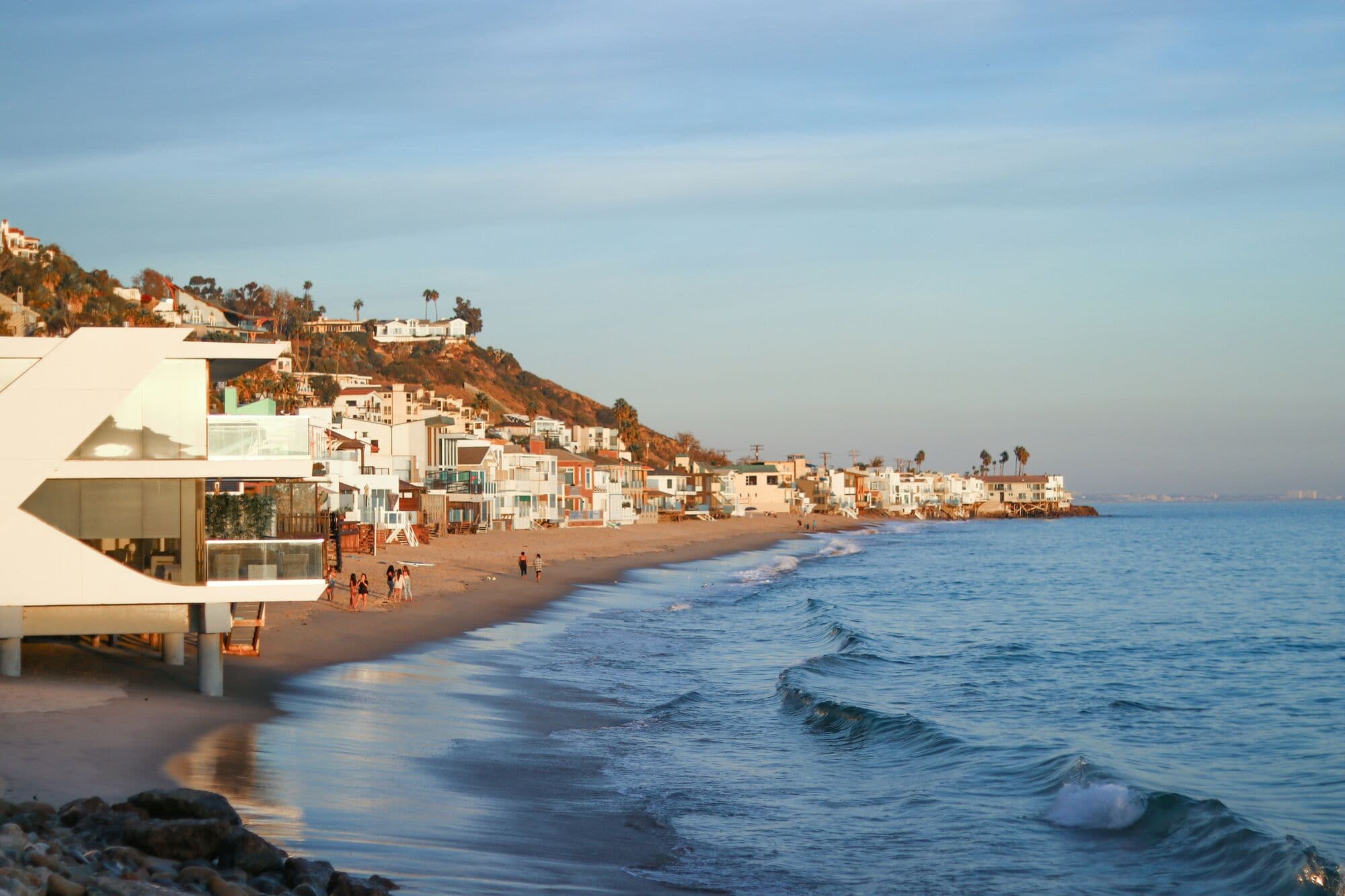
Malibu isn't just a beach. It's a 21-mile-long strip of coastline where the Santa Monica Mountains meet the Pacific Ocean. Every beach here looks different. Some are wide and flat with gentle waves for families. Some are dramatic coves with sea stacks and hidden caves. Some are legendary surf breaks where modern surfing was essentially invented.
The name "Malibu" derives from the Chumash village of Humaliwo, meaning "the surf sounds loudly." The Chumash lived on this coast for thousands of years. The drive up PCH alone (cliffs dropping into the ocean, mountains rising above) is one of the most scenic roads in America.
The Beaches (North to South)
Leo Carrillo State Park
The northernmost major Malibu beach, about 25 minutes past central Malibu. Sea caves, tide pools, coastal trails, and camping. Dog-friendly in certain sections (check posted rules). Less crowded than the central beaches. A full day trip in itself.
El Matador State Beach
The most photographed beach in Southern California. A small pocket beach accessed by a steep staircase down a cliff. At the bottom: towering sea stacks, natural rock arches you can walk through, hidden sea caves accessible at low tide, and a sunset that photographers travel internationally to shoot.
This is NOT a swimming beach. Waves crash onto hidden rocks. Come for scenery, not the water.
- Very little dry sand at high tide. Check tide tables before visiting.
- No lifeguards, no restrooms, no showers.
- Parking lot is small ($8) and fills early. Arrive before 9am on weekends.
- Steep descent, bring shoes you don't mind getting wet.
Zuma Beach
Malibu's biggest and most accessible beach. Over two miles of wide, flat, golden sand with ample parking, lifeguards, volleyball courts, and restrooms. Named from the Chumash word "Sumo," meaning abundance. This is where you come for the classic Malibu beach day: swimming, boogie boarding, sunbathing, space to spread out. Family-friendly; beach wheelchairs available at the main lifeguard station.
Parking is $8 to 15/day in the lots. "Free Zuma" (Westward Beach) has limited free street parking just south of the main entrance. Best on weekday mornings or late afternoons. Summer weekends get packed.
Point Dume State Beach
A dramatic headland with cliff-top trails, hidden coves below, and one of the best whale-watching spots in LA (gray whales migrate past December through April). The hike to the top takes about 15 minutes and gives you a 360-degree ocean panorama. Access the cove below via a steep trail from Westward Beach. Quieter than Zuma, with tide pools and calm water. This is where locals go when Zuma is too crowded.
Surfrider Beach (Malibu Pier)
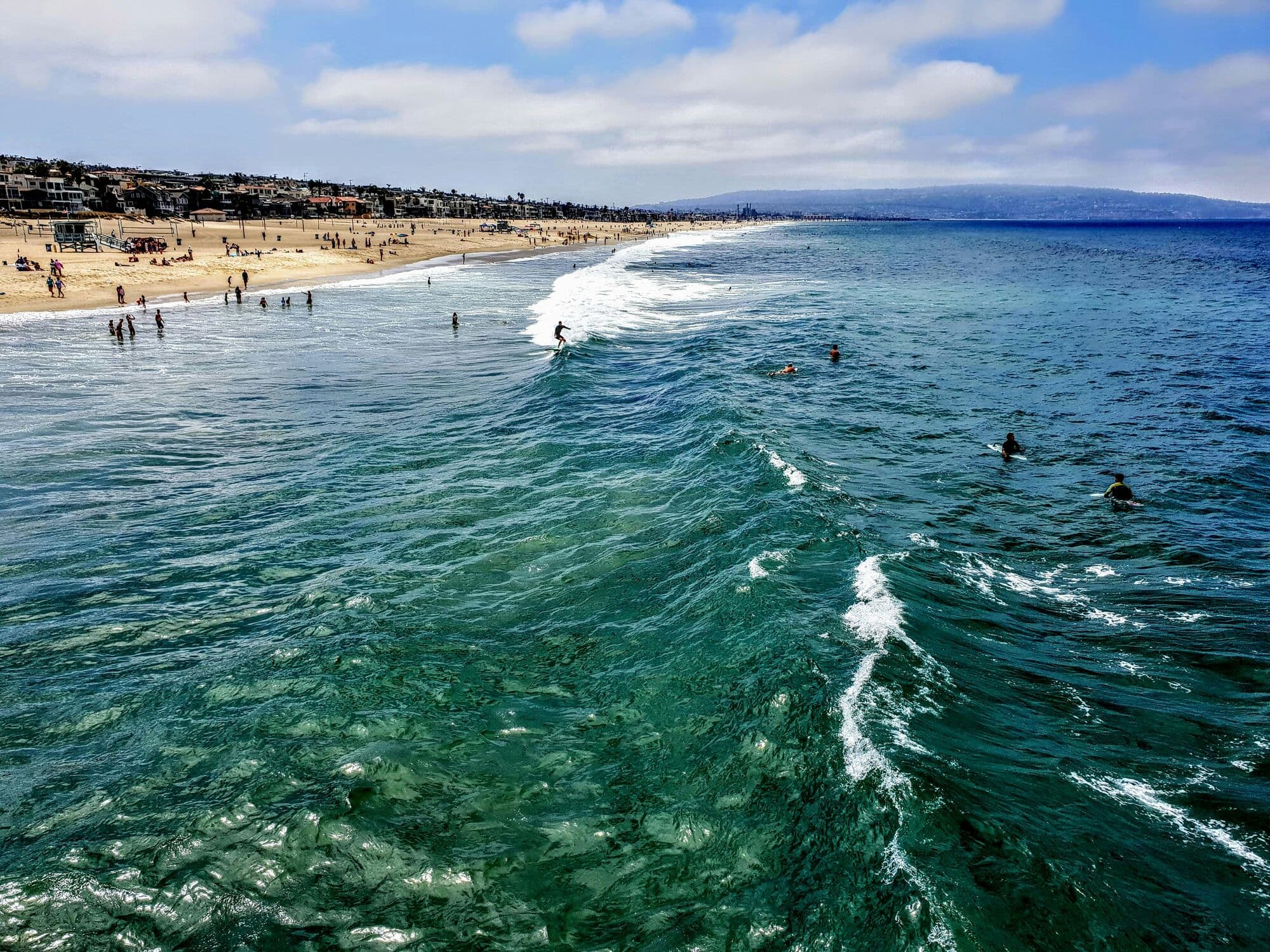
The birthplace of modern California surf culture. Surfrider Beach became the first World Surfing Reserve in 2010, recognizing its historical importance to the sport. The consistent right-point break at Third Point has been featured in surf films since the 1950s.
Even if you don't surf, Surfrider is worth visiting for the pier and the scene. Watch the lineup from the Malibu Pier. It's like watching poetry. The pier is home to Malibu Farm, a farm-to-table restaurant that's become a destination on its own. The adjacent Adamson House and Malibu Lagoon Museum is a stunning 1929 Spanish Colonial estate with hand-painted tile work and tours (Wed to Sat, 11am to 3pm).
Paradise Cove
A private beach with a beachfront restaurant and lounge chairs for rent. Malibu's "exclusive" beach at $25 to 50 to park. But the beach is legally public (California guarantees public access below the mean high tide line). Paradise Cove Beach Cafe is a classic Malibu lunch spot with ocean views and strong celebrity sighting potential.
Carbon Beach ("Billionaire's Beach")
A narrow strip of sand in central Malibu fronted by some of the most expensive homes in America. Public access points exist but aren't well-marked (intentionally). Find one and you're rewarded with a quiet, uncrowded stretch. The Malibu Beach Inn and Nobu Ryokan sit along this stretch.
Beyond the Beaches
Wine Safari with Zebras
Malibu has legitimate wine country. The Malibu Coast AVA produces wines in a warm Mediterranean climate. Malibu Wine Safaris at Saddlerock Ranch is one of the most unique experiences in LA: tour the vineyard by open-air vehicle while passing zebras, giraffes, and other exotic animals that roam the property. Wine tasting included. Book well in advance. Other wineries: Rosenthal Wine Bar (central Malibu), Cornell Winery (Agoura Hills).
Hiking
Solstice Canyon Trail. Family-friendly hike to a waterfall and the ruins of the Roberts Ranch House. Shaded canyon, ocean views. About 2.5 miles round trip.
Escondido Falls. Hike to a 150-foot tiered waterfall, the tallest accessible waterfall in the Santa Monica Mountains. About 4 miles round trip.
Sandstone Peak. The highest point in the Santa Monica Mountains (3,114 feet). Panoramic views of the Pacific, Channel Islands, and inland valleys. About 6 miles round trip.
Point Dume Trail. Short bluff-top hike with whale-watching potential. 15 minutes to the viewpoint.
The Getty Villa
Located in Pacific Palisades at the southern edge of Malibu, the Getty Villa houses Greek, Roman, and Etruscan antiquities in a replica of a first-century Roman country house. Free admission, but parking ($20) requires advance reservation. One of the most beautiful museum settings in the world.
Where to Eat
Malibu Farm. Farm-to-table at the end of the Malibu Pier. Organic, locally sourced, ocean views. The quintessential Malibu dining experience.
Neptune's Net. A legendary roadside seafood shack at the northern end of Malibu on PCH near the Ventura County line. Fried fish, clam chowder, beer. Bikers, surfers, and families sharing picnic tables. Cash preferred. An institution.
Nobu Malibu. The celebrity restaurant. Omakase sushi with Pacific Ocean views. Expensive. Reservations essential. Celebrity sighting probability: high.
Malibu Seafood. The locals' seafood counter. Order at the window, sit at outdoor picnic tables overlooking the ocean. Fresh, simple, excellent. Cash only.
Broad Street Oyster Company. Outstanding oysters and seafood in a casual Malibu Village setting.
Caffe Luxxe. The local coffee spot in Malibu Country Mart.
Getting There
Malibu is a 30 to 60 minute drive from central LA depending on traffic and which part of Malibu you're heading to. PCH (Pacific Coast Highway / Highway 1) runs the entire length of Malibu. From the 10 Freeway, take PCH north through Santa Monica. The drive itself is the experience. Don't rush it.
Transit: Very limited. Metro 534 bus runs along PCH but infrequently. Malibu is essentially a car destination.
Parking: Varies dramatically by beach. Zuma has large lots ($8 to 15). El Matador has a tiny lot ($8) that fills fast. Surfrider has metered parking. Arrive early on summer weekends.
What to Know
- Malibu is its own city (incorporated 1991). Population about 13,000 permanent residents.
- PCH is dangerous. Narrow, winding, fast traffic, cyclists, pedestrians crossing. Drive carefully, especially at night.
- Fire risk is real. The Woolsey Fire (2018) and Palisades Fire (January 2025) both impacted Malibu significantly. Check conditions during fire season (roughly June to November).
- All beaches are public below the mean high tide line, even in front of celebrity mansions.
- Whale watching season: December through April (gray whale migration). Point Dume is the best viewpoint.
- Malibu Country Mart is the unofficial town center: open-air shopping, designer boutiques, best people-watching (celebrity sighting probability: high).
Frequently Asked Questions
What does "Malibu" mean? The name "Malibu" derives from the Chumash village of Humaliwo, meaning "the surf sounds loudly." The Chumash were the indigenous people of the Malibu coast and lived here for thousands of years before European arrival.
Is El Matador Beach safe for swimming? No. El Matador is not a swimming beach. Waves crash onto hidden rocks. Visit for the scenery: towering sea stacks, natural rock arches, and sea caves accessible at low tide. Check tide tables before visiting. No lifeguards.
Are Malibu beaches public? Yes. All California beaches are public below the mean high tide line. Even beaches fronting billionaire mansions on Carbon Beach ("Billionaire's Beach") are legally accessible. Some homeowners make access difficult, but you have the legal right to be on the wet sand.
What is Surfrider Beach? Surfrider Beach at the Malibu Pier is the birthplace of modern California surf culture. It became the first World Surfing Reserve in 2010, recognizing its historical importance. The consistent right-point break at Third Point has been featured in surf films since the 1950s. Surf lessons and rentals are available nearby.
Can you see whales from Malibu? Yes. Gray whales migrate past Malibu from December through April. Point Dume is one of the best whale-watching spots in LA. The bluff-top trail takes about 15 minutes to reach the viewpoint. Bring binoculars.
Is there a wine safari in Malibu? Yes. Malibu Wine Safaris at Saddlerock Ranch tours a working vineyard by open-air vehicle while passing zebras, giraffes, and other exotic animals that roam the property. Wine tasting is included. It's one of the most unique experiences in LA. Book well in advance.
Which Malibu beach is best? It depends on what you're looking for. Zuma Beach is great for families and groups with its wide sandy shore. El Matador Beach is stunning for photos with its sea caves and rock formations. Point Dume is perfect for hiking and whale watching.
Is Malibu worth visiting? Absolutely. Malibu offers some of the most beautiful coastline in California, with world-class beaches, hiking trails, and a laid-back atmosphere that's a refreshing escape from the city.
Nearby
- Santa Monica Beach. 20 minutes south on PCH.
- Venice Beach. 25 minutes south.
- Getty Center. 25 minutes south (the hilltop museum, distinct from the Getty Villa).
- Topanga Canyon. The bohemian mountain community between Malibu and the Valley.