Moving to LA alone works if you treat your social life like a project with a timeline, not something that happens to you. Pick one neighborhood to anchor in, join one weekly recurring group, say yes to one group activity a week, and stop skipping invites. Do that for three months and you will have a real, repeatable social life, not just a collection of one-off hangouts.
That is the whole plan. The rest of this is how to actually run it, month by month, with specific places and groups instead of vague advice to "get out there."
what does the first month actually look like when you move to la alone?
tired of doing things alone in LA?
Find people to go with on WashedUp. Small group plans, no swiping, no endless chatting. Just plans. That actually happen.
Month one is about building a skeleton, not a full social life. You are picking a neighborhood, finding one recurring activity that happens on a fixed day and time, and going to it even when you do not know a single person there yet. The goal is not to make a best friend in week one. It is to have somewhere to show up.
This is the part most moving guides skip entirely: who do you do this with on day one, when you have zero contacts in the city? The honest answer is nobody, at first. You go alone to something recurring, because recurring is what turns strangers into familiar faces. A one-time event gives you one shot. A weekly run club or a Wednesday workout gives you eight shots in two months.
If you are remote and do not even have an office as a starting point, this matters more, not less. No coworkers means no built-in social circle, so your "office" becomes whatever weekly thing you pick. Treat it with the same seriousness you'd treat a job: same day, same time, every week, for a month before you judge whether it's working.
By the end of month one, you should have attended the same recurring thing three or four times and be on a first-name basis with at least two or three regulars. That's the checkpoint. Not a friend group. Recognition.
why does picking one neighborhood anchor matter more than knowing the whole city?
A neighborhood anchor matters because LA punishes people who try to be everywhere at once. If your gym is in Culver City, your friend group is in Los Feliz, and your apartment is in East Hollywood, you will spend your social energy on freeways instead of on people. Pick one area and let most of your early social life happen on foot or a short drive within it.
This is the car-dependency problem nobody addresses directly. You do not need a car to have a social life in LA, but you do need to choose a neighborhood where the things you want to do are close enough to not require one every single time. Boyle Heights works this way if running is your thing: Mariachi Plaza, Picaresca, and the El Pino tree are all within the same stretch of the eastside, so a week of running groups doesn't mean three separate drives.
Koreatown works similarly if you want density and options within walking distance. It's also where WashedUp's plan data currently shows activity on this exact topic: a plan called "MOVING TO LA" filled with eight people in Koreatown on a Saturday, out of the one live plan matching this topic right now. Small number, but it tells you something real: people are doing this exact thing, in this exact neighborhood, on a weekend.
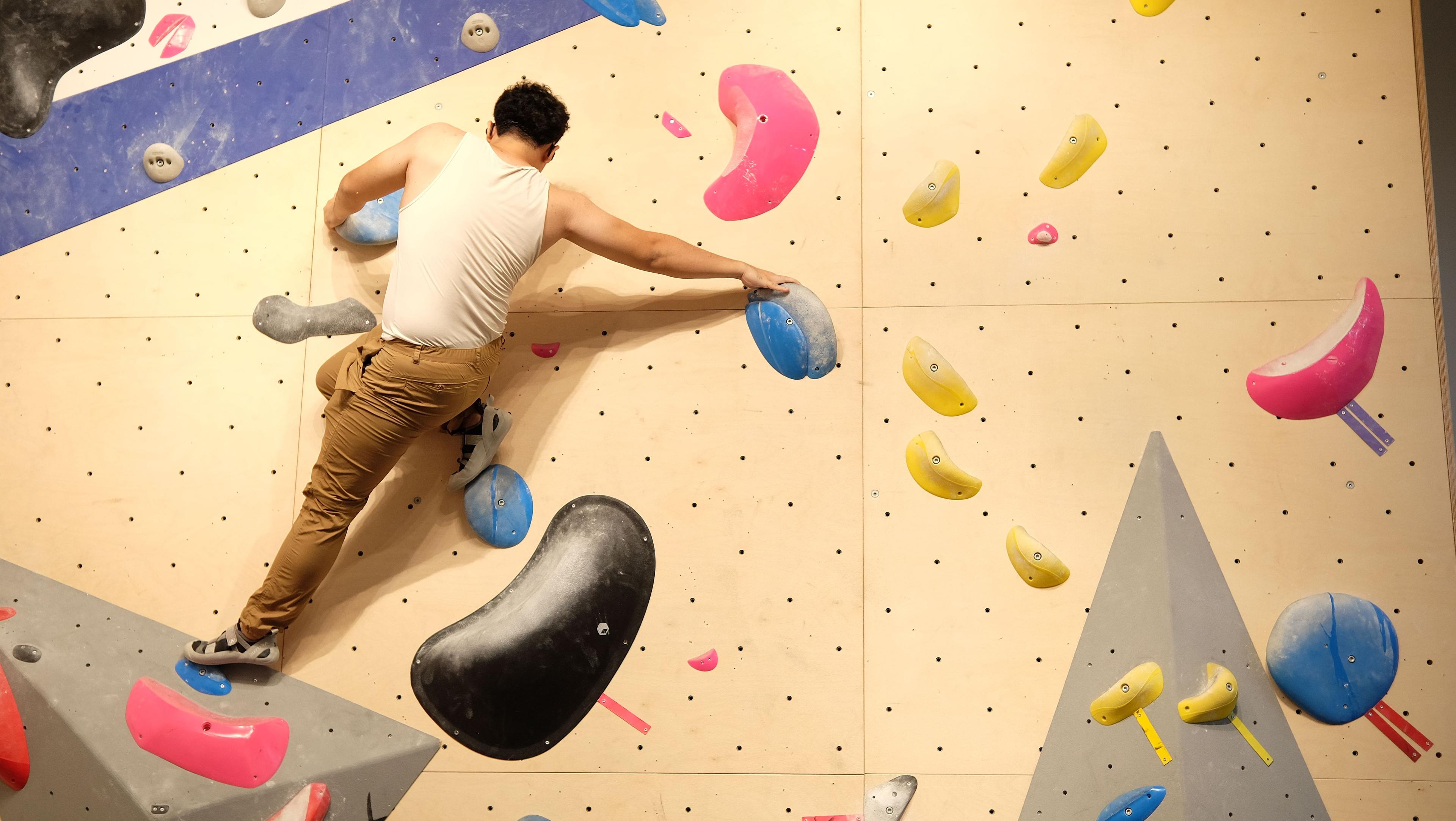
Pairing a neighborhood with a matching activity type is the move most guides never make explicit. Runner? Anchor in Boyle Heights or Koreatown. Climber? East Hollywood puts you near LA Boulders, which runs beginner nights, worth checking their current schedule before you go since gym schedules shift. Want mornings outdoors? Los Feliz, near Griffith Park and Griffith Observatory, gives you both running meetups and a built-in Wednesday workout.
what is the fastest way to find a recurring weekly group in la?
The fastest way is to pick a day of the week and commit to one specific meetup on that day, every week, for a month straight. LA has roughly 135 active run clubs hosting about 230 group runs a week, per the LA Times, so the issue is never scarcity. It's picking one and showing up enough times that it becomes a habit instead of an event.
Here's a week that actually works if you're building from scratch:
| day | group | neighborhood | notes |
|---|---|---|---|
| Monday | Koreatown Run Club | Koreatown, Wilshire/Oxford | 3 or 5 mile options, per LAist |
| Tuesday | Keep It Run Hundred | Veterans Memorial Park, Culver City | 7pm start, per LAist |
| Wednesday | November Project LA | Griffith Observatory, Los Feliz | morning workout, per the LA Times |
| Saturday | Griffith Park running meetups | Griffith Park | good anchor if mornings work for you |
| Sunday (monthly) | Cafecito Runners | Picaresca, Boyle Heights | free cafecito after the run, per LAist |
If running isn't your thing, Boyle Heights Bridge Runners have been meeting from Mariachi Plaza and crossing the Sixth Street Bridge for more than a decade, per LAist, which tells you something: groups that last that long have absorbed a lot of newcomers and know how to fold people in. The 323 Runners, founded in 2024 and starting from the El Pino tree, offer both a 4-mile run and a 2-mile walk, per LAist, so there's a lower-intensity entry point too. And Hike Clerb, a BIWOC-centered outdoor collective founded in 2017, runs monthly hikes and workshops across the city, per the LA Times, if a monthly cadence suits your schedule better than a weekly one.
how do you turn a group activity into an actual friendship?
You turn a group activity into a friendship by doing the thing a stranger online once put plainly: ask for contact information, invite someone for coffee, organize something small yourself. Showing up to the same run club every week gets you recognized. It does not, by itself, get you a friend. That requires one extra, slightly uncomfortable step after the group thing ends.
The move is simple. After the third or fourth time you see the same person at a recurring meetup, say something like "a few of us should grab coffee after this sometime," and then actually follow up. Most people in LA are waiting for someone else to make the first move, which means making it yourself puts you ahead of a real chunk of the city. If you're proactive and you follow through, you're already doing something most people here don't.
This is also where a second kind of plan matters: not the recurring weekly thing, but the one-off group activity you say yes to once a week. A hike, a trivia night, a show. What a typical Saturday plan looks like in LA gives a sense of how these smaller, one-time plans fill out a week that otherwise revolves around your one recurring group. Across WashedUp, Saturday is the single busiest day for plans that fill with a group, at 102 plans, with Friday (62) and Sunday (56) behind it. If you're wondering when to schedule your "say yes" slot, weekends are where the activity already concentrates.
Want to try a one-off group hike or a Saturday thing with people you've never met? find people to go with and treat it as the second leg of your week, alongside your recurring group.
which apps and platforms are worth using when you first arrive?
The apps worth using when you first arrive are the ones that get you to a specific plan with a specific group of people on a specific day, not ones built for browsing. General social apps are fine for staying in touch once you have a social life. They're much weaker at helping you build one from zero, because there's no concrete thing to show up to.
This is a real gap in how LA newcomers get advice. Most lists just enumerate clubs and leave you to figure out logistics. A breakdown of the best social apps in Los Angeles goes deeper into which platforms do what, but the short version is: look for anything organized around an actual plan with a date, time, and headcount, not an open-ended "meet people" feed.
Across WashedUp specifically, 951 people are in at least one plan, and of the 681 whose age is on file, half are between 30 and 39. If you're assuming everyone building a social life this way is in their early twenties, that's not what the numbers show. Plans that fill tend to be small, too: 283 of 303 filled plans had between 3 and 8 people, with 4 as the typical group size. That's a small enough number that you're not walking into a crowd of strangers, just a handful.
Want to cowork with someone instead of working alone in your apartment all week? find people to go with, since the remote-work isolation problem is exactly the gap a fixed weekly plan solves.
what should you do when you get invited somewhere you would normally skip?
You go. That's the entire answer. The single biggest lever in your first three months is saying yes to plans you'd normally talk yourself out of, because the plans you skip are disproportionately the ones that would have introduced you to someone.
This sounds obvious and it is still the hardest part. Someone exhausted from a long week will always find a reason not to go to the thing. But the reason most people's social life in LA stalls out isn't a lack of options, LA Times reporting alone lists clubs going back a century, like the L.A. Breakfast Club, formed in 1925 and still meeting at dawn. It's that the options exist and people don't walk through the door.
Give yourself one rule for the first three months: if you're invited to something and your only reason for saying no is "I don't really feel like it," say yes anyway. Reserve actual no's for real conflicts. This one habit will do more than any app or any list of clubs.
one thing to do this week
Pick a single day this week and go to one thing on it, alone, with no plan to make a friend, just a plan to show up. If you're in Koreatown or nearby, that could be the Monday Koreatown Run Club at Wilshire and Oxford. If you're on the eastside, Mariachi Plaza on run day is an easy entry point since the Boyle Heights Bridge Runners have been doing this long enough to know how to welcome someone new. Whatever you pick, go back the next week. That second visit is where this actually starts working.
frequently asked questions
is it hard to make friends when you move to los angeles alone?
It's harder than in a city built around dense, walkable social hubs, mostly because LA is spread out and most adult social life doesn't happen by accident the way it did in school. But it is not uniquely impossible. People who pick a neighborhood, join one recurring weekly group, and say yes consistently tend to build a real social circle within a few months.
what is the best neighborhood to live in if you move to la alone?
There's no single best neighborhood, but the better ones are those where a recurring activity you enjoy is already close by. Koreatown works well for density and walkability, with a Monday run club at Wilshire and Oxford. Boyle Heights works for runners, with Mariachi Plaza, Picaresca, and the El Pino tree all nearby. Los Feliz suits mornings outdoors, near Griffith Park and Griffith Observatory.
how long does it take to feel settled after moving to la?
It commonly takes closer to a year to feel fully at home and build genuine, deep connections, based on reader experience shared in moving-to-LA discussions. But a real, functioning social life, people you see weekly, plans you get invited to, can start forming within the first three months if you anchor to a neighborhood and show up consistently.
what are the best social clubs or groups in los angeles for newcomers?
Running groups are an easy, low-barrier entry point: Koreatown Run Club, Keep It Run Hundred in Culver City, Boyle Heights Bridge Runners, Cafecito Runners, and 323 Runners all welcome newcomers. Hike Clerb offers monthly hikes for those who prefer a less frequent cadence. LA Boulders in East Hollywood runs beginner climbing nights, though it's worth confirming the current schedule before you go.
can you have a social life in la without a car?
Yes, if you choose your neighborhood with that in mind. Koreatown, Boyle Heights, and Los Feliz all have recurring social activity within walking distance or a short trip of each other, from running groups to outdoor meetups. The car-dependency problem in LA is real, but it's a neighborhood-choice problem more than a citywide one, and it's solvable by anchoring somewhere dense.
Stay in the loop
Get stories, LA guides, and social tips delivered to your inbox every week. No spam, ever.