You can become a regular in LA, and it doesn't require charisma or luck. It requires picking one place, showing up at the same time on the same day for about six weeks, and letting the repetition do the social work. If you've ever wondered where can i go in los angeles to become a regular and meet people naturally, the answer is almost always narrower than you'd expect: Dayglow Coffee in Silver Lake, Mariachi Plaza on a Wednesday night, the counter at Tam O'Shanter in Atwater Village. The place matters less than the rhythm.
Here's the part nobody tells you when you move here. LA does not hand you a regular spot. There's no stoop, no shared hallway, no office breakroom forcing proximity five days a week. You have to build the structure yourself, on purpose, in a city engineered for you to drive past the same people forever without ever learning their names. That's the real friction. Not that LA lacks good places. It's that good places alone don't make you a regular. Only returning does.
what actually makes a place produce regulars (it's not vibe, it's structure)
tired of doing things alone in LA?
Find people to go with on WashedUp. Small group plans, no swiping, no endless chatting. Just plans. That actually happen.
A place produces regulars when it gives you a reason to return at the same time, on the same day, without needing an invitation each time. Vibe gets you in the door once. Structure is what gets you back next week, and the week after, until someone notices the pattern too.
Most lists of "great LA spots" are lists of taste. Good lighting, good espresso, a nice patio. None of that explains why some places build a crowd that recognizes each other and others stay full of strangers forever. The difference is almost never the decor. It's whether the place runs on a recurring rhythm you can plug into. A run club that meets every Wednesday at the same corner. A night market that happens on the same night every week, like the El Sereno Night Market, so you can decide in advance that Wednesday is the night you go. A bar where the regulars' softball league rolls in after the same game every time. Repetition is the mechanism. Vibe is just what makes the repetition pleasant.
This is the gap nearly every "things to do alone in LA" list skips. They'll name the coffee shop. They won't tell you that showing up once gets you nothing, and showing up on a schedule gets you a nod, then a name, then a plan. If you want the deeper mechanics of how LA's groups actually work, the social infrastructure that's been quietly building in LA is worth a read for the bigger picture.
coffee shops where sitting still long enough means someone talks to you
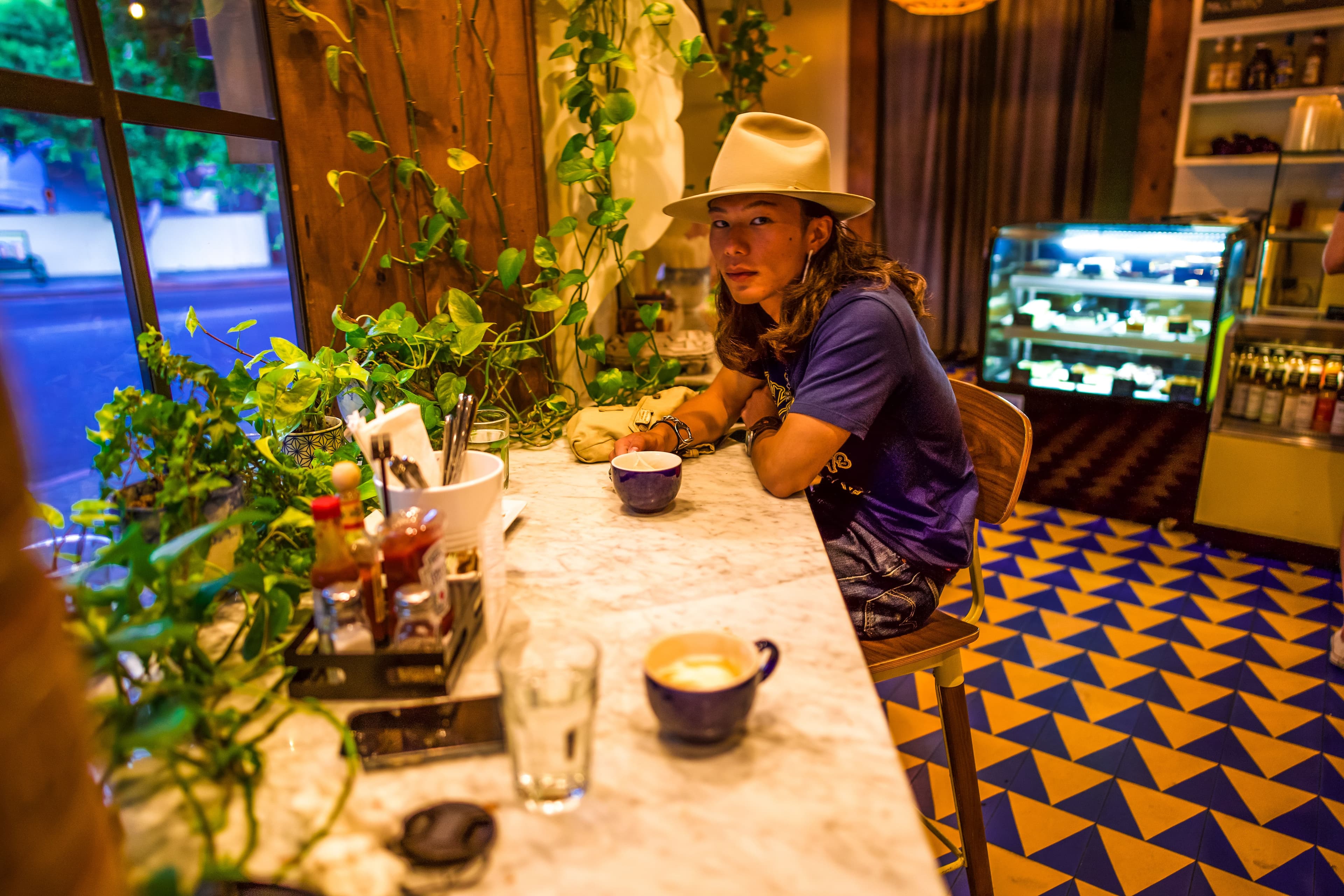
The coffee shops that work for this are the ones built for lingering, not the ones built for a fast order and a walk out the door. Dayglow Coffee in Silver Lake, Village Well Books & Coffee in Culver City, and the Trails Cafe in Griffith Park all share one trait: they give you a reason to sit for an hour instead of five minutes.
Dayglow, on Sunset in Silver Lake, is described as a specialty coffee shop with a communal atmosphere, per Time Out. That communal layout matters more than the espresso. A shared table does social work a counter facing the wall never will. Village Well in Culver City pairs a bookstore with a cafe and a regular slate of events, according to the LA Times, which means there's always a reason to be there beyond caffeine. And the Trails Cafe, tucked into Griffith Park at Fern Dell, reportedly pulls in hikers, dog owners, and outdoor regulars who are already mid-activity and more open to a conversation, per the LA Times.
The honest version of "go work in a coffee shop to meet people" isn't about the laptop. It's about choosing the same seat on the same morning until the barista, then the regular two tables over, start expecting you. Want to cowork with someone instead of doing this alone the first few times? Find people to go with on WashedUp.
run clubs and group hikes where the after-walk is the whole point
Run clubs in LA are social clubs that happen to involve running, and the after-run is often the real event. Boyle Heights Bridge Runners meets Wednesdays at Mariachi Plaza, Angels City Run Club gathers Wednesday evenings at Angels Flight downtown, and November Project meets early Wednesday mornings at Griffith Observatory, according to the LA Times.
Notice the pattern: all three land on the same weekday, which means Wednesday has quietly become the de facto social running night across LA. That's not an accident, it's the mechanism this whole post is about. A fixed day lets your brain stop negotiating "should I go" every week and just go. Boyle Heights Bridge Runners heads from Mariachi Plaza toward the 6th Street Viaduct, per the LA Times, and the route itself becomes familiar before the faces do.
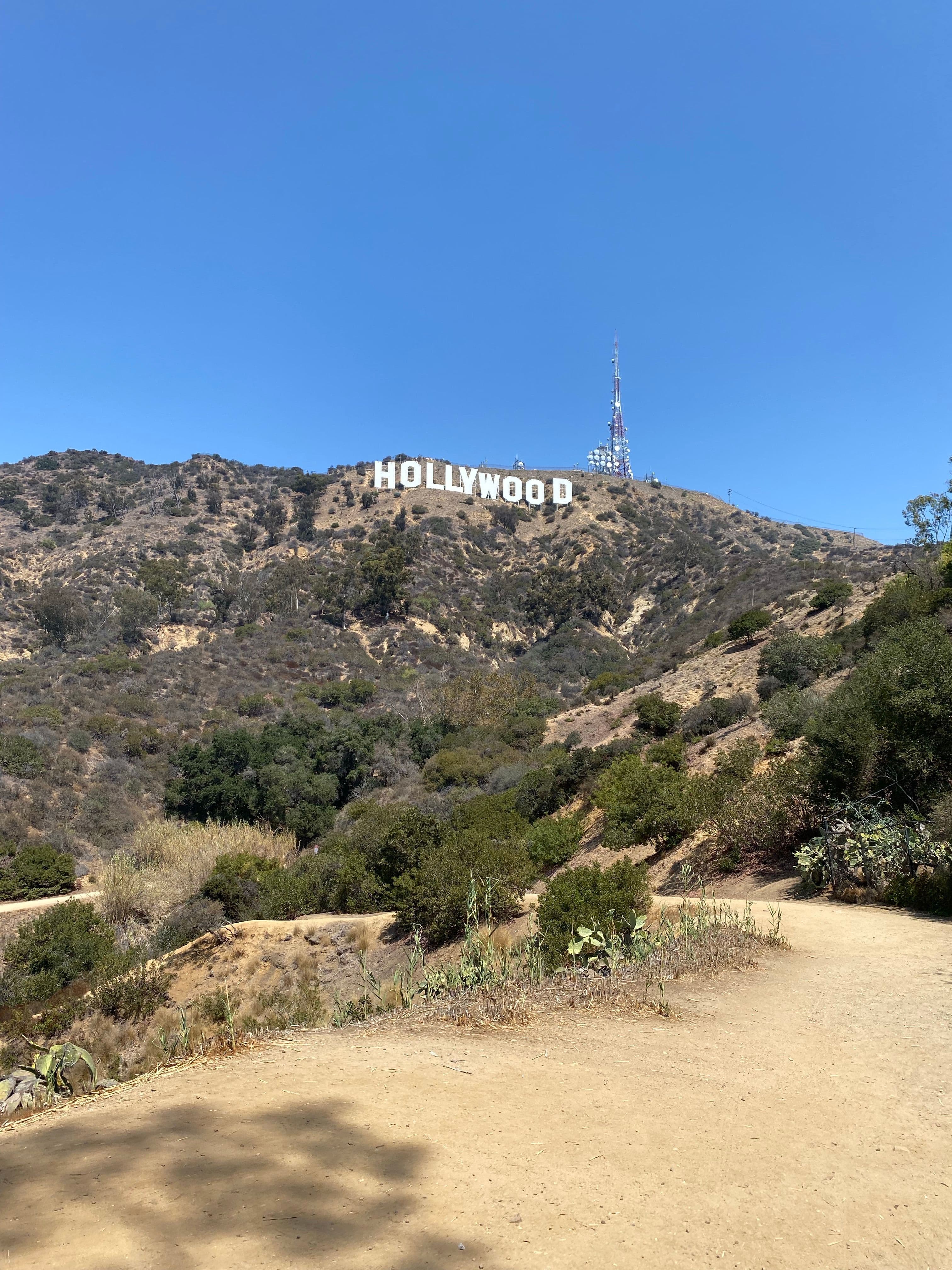
Hiking works the same way, and Runyon Canyon in the Hollywood Hills fills that role for people who want a trail instead of pavement. If you want a deeper list of groups built specifically for this, there's a full breakdown of hiking groups in LA that are actually social worth bookmarking. Across WashedUp, outdoors plans have filled 45 times out of 303 plans that pulled together a group of three or more, which puts it third behind only music and nightlife as a category people show up for. Want to hike with three other people instead of scrolling past the idea for the tenth week in a row? Find people to go with.
bars and neighborhood spots built around the same crowd every week
The bars that build regulars are the ones with a built-in reason to return weekly, not the ones with the best cocktail list. Good Neighbor Bar in Altadena and Tam O'Shanter in Atwater Village both work this way, for different reasons tied to timing and tenure rather than menu.
Good Neighbor was the first new bar to open in Altadena in four decades, and it became a community hub after the Eaton fire, per the LA Times. That's a case of a neighborhood needing a gathering spot and a bar stepping into the gap at the right moment. Tam O'Shanter, nearly 103 years old, is a Scottish-themed steakhouse in Atwater Village where staff and regulars reportedly greet each other by name, according to the LA Times.
That last detail matters more than it sounds like it should. There's a real difference between a place where the staff know your name and a place where the other customers do. The first is good service. The second is community. Tam O'Shanter has had a century to build the second kind. You're looking for the newer version of that same thing, the spot where a few visits in, it's not just the bartender who waves.
bookstores and community spaces wired for repeat encounters
Bookstores and arts spaces work as regular-building spots because they give you events on a schedule, which means a reason to come back that doesn't depend on you personally knowing anyone yet. Village Well Books & Coffee in Culver City and Reparations Club in West Adams both operate this way.
Village Well debuted in 2021 combining a bookstore, a cafe, and a running calendar of events, per the LA Times. Reparations Club in West Adams is described as a reading, design, and arts-oriented social space, according to the LA Times, which means it's built less around browsing and more around gathering. Most guides that mention bookstores treat them as quiet solo spots, a place to read alone. That's half the picture. The events calendar is the actual social infrastructure, because it gives strangers a legitimate reason to be in the same room at the same time, repeatedly, without anyone having to organize a hangout.
which neighborhoods make becoming a regular easiest on foot
Becoming a regular is easiest in the LA neighborhoods where you can walk to the same coffee shop, bar, and market without getting in a car, because proximity is what turns an occasional visit into a daily habit. Silver Lake, Atwater Village, Echo Park, and West Adams all work this way, each for slightly different reasons.
A comment on r/AskLosAngeles put it plainly: "Either Silver Lake or Echo Park... great place to live, you'll meet many people there just by living your daily life." That's the walkability effect in one sentence. Car-dependent neighborhoods force every social interaction to be planned in advance, a destination you drive to and leave. Walkable ones let you bump into the same barista, the same dog walker, the same bar regular, multiple times a week without trying.
| neighborhood | walkable anchor | why it builds regulars |
|---|---|---|
| Silver Lake | Dayglow Coffee, Sunset Blvd | dense cafe and bar foot traffic |
| Atwater Village | Tam O'Shanter | century-old spot, repeat-visit culture |
| West Adams | Reparations Club | events calendar brings people back |
| Culver City | Village Well Books & Coffee | bookstore plus cafe plus programming |
| Downtown LA | Grand Central Market, Angels Flight | food hall and run club overlap |
| El Sereno | El Sereno Night Market | fixed weekly night, built-in crowd |
Across WashedUp, the neighborhoods where the most plans have actually filled with a group of three or more, all time, are Hollywood with 13, Downtown LA with 8, and Santa Monica and Venice tied at 7 each. That's not a ranking of best neighborhoods to live in. It's a record of where people on WashedUp already found each other and made something happen.
the six-week rule: how long it actually takes before faces become names
It takes about six weeks of showing up at the same place, same day, same rough time, before faces turn into names and nods turn into actual conversations. That's not a guess, it's the rough timeline that keeps surfacing in how people describe becoming a regular anywhere, and it's the single most useful thing a newcomer to a spot can know going in.
Nobody tells you this part, which is why so many people try a run club once, feel like an outsider, and never go back. A commenter on r/AskLosAngeles described it this way: "Spend a lot of time being a regular and let it happen." The momentum doesn't arrive in week one. It arrives after enough repetition that the room stops reading you as new. Another commenter put the growth curve bluntly: "Becoming a regular at a place can lead to rapid growth in connections and experiences, especially once things start to gain momentum." The operative word is "once." You have to survive the slow part first.
For context on how LA's social rhythms actually run week to week, what LA people are actually doing on a recurring weekly basis is a useful companion read. And across WashedUp, the plans that actually fill with a group skew toward weekends, Saturday leads with 102 filled plans, Friday has 62, Sunday has 56, and evenings between 5pm and 10pm account for 55% of all plans that filled. If your six weeks of showing up line up with that rhythm, you're not fighting the city's grain, you're going with it.
The honest advice, the one that shows up again and again in how people actually describe meeting friends as adults, is this: "Making friends doesn't just happen naturally. If you're looking to build friendships, you have to take the initiative." Six weeks is the initiative. Nobody skips that part.
If you don't want to do those six weeks alone, you don't have to. Want company for week one instead of showing up solo and hoping? Find people to go with.
Pick one thing from this list, Wednesday night at Mariachi Plaza with Boyle Heights Bridge Runners is as good a start as any, and go six weeks in a row before you decide whether it's working.
frequently asked questions
how long does it take to actually become a regular somewhere in LA?
Roughly six weeks of showing up at the same place on the same day and time. The first few visits usually feel anonymous, which is normal. Momentum tends to build once a staff member or another regular starts recognizing you on sight, and that recognition is what turns a routine into an actual social spot.
what neighborhoods in Los Angeles have the strongest sense of community?
Walkable neighborhoods tend to build community fastest because you bump into the same people without planning to. Silver Lake, Atwater Village, Echo Park, and West Adams all work this way, each anchored by a specific spot, like Dayglow Coffee in Silver Lake or Tam O'Shanter in Atwater Village, that gives foot traffic a reason to repeat.
are run clubs in LA actually social or just for serious runners?
They're built for the social part. Boyle Heights Bridge Runners meets Wednesdays at Mariachi Plaza, Angels City Run Club meets Wednesday evenings at Angels Flight downtown, and November Project meets Wednesday mornings at Griffith Observatory. All three treat the after-run hangout as central, not an afterthought to the mileage.
what's the best type of place to meet people in LA if you're introverted?
Choose a place with a built-in activity, not an open mixer. A coffee shop with communal seating like Dayglow, a bookstore with a regular events calendar like Village Well or Reparations Club, or a run club with a fixed route all give you something to focus on besides small talk, which takes the pressure off.
do bookstores in LA have events where you can meet people?
Yes. Village Well Books & Coffee in Culver City runs a regular calendar of events alongside its bookstore and cafe, and Reparations Club in West Adams operates as a reading, design, and arts-oriented social space. Both give you a scheduled reason to return, which is what turns browsing into actual community.
Stay in the loop
Get stories, LA guides, and social tips delivered to your inbox every week. No spam, ever.